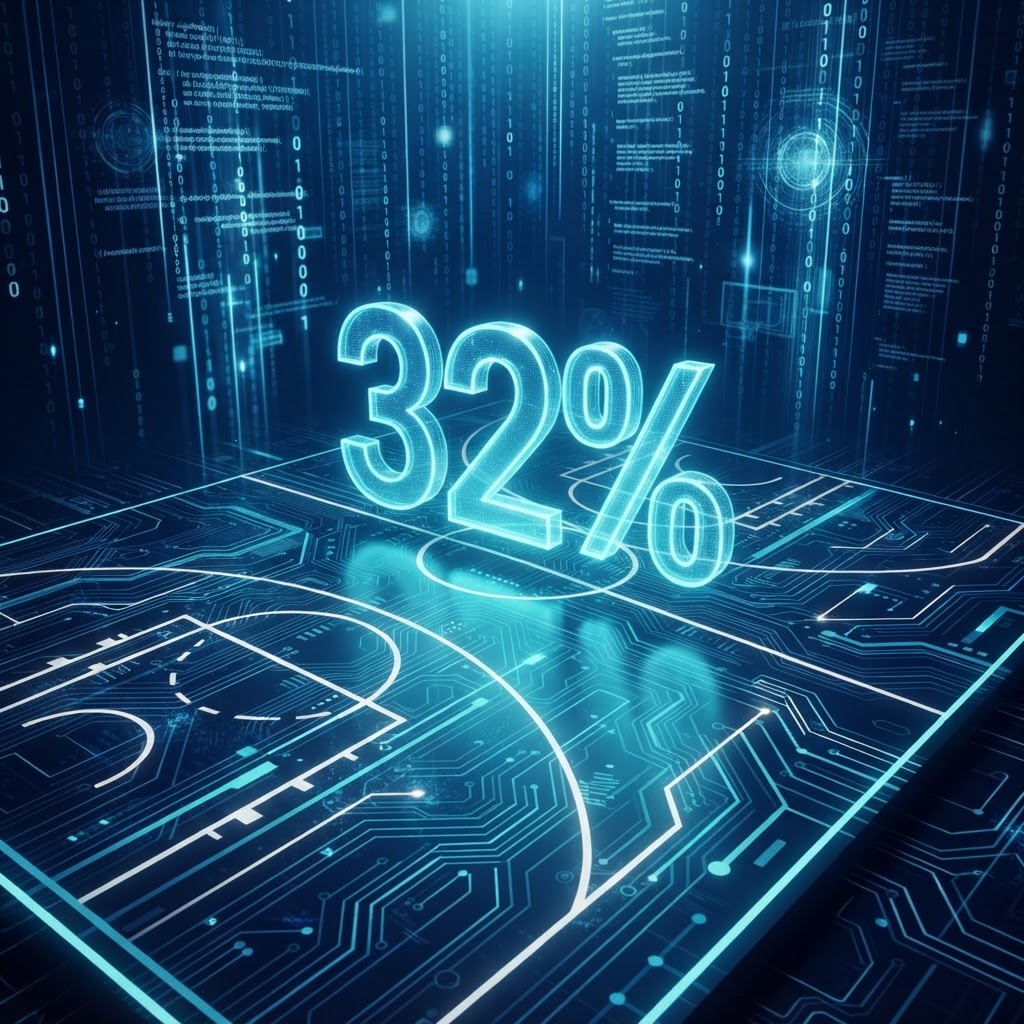
The numbers are in, and they tell a story that every sportsbook operator in the business needs to hear. Kambi has officially reported a 32% reduction in NBA bet rejections following a major switch to its new AI-powered risk management engine. That’s not just a marginal gain; it’s a fundamental shift in how the industry handles the high-velocity, high-stakes environment of professional basketball betting. For years, the industry has been plagued by the friction of rejected wagers—those frustrating moments where a customer tries to place a bet, only to have the system stall or decline it because the risk model couldn't keep up with the live action. That’s a problem because every rejection is a lost opportunity, a damaged customer experience, and a direct hit to the bottom line. Kambi’s move to integrate more advanced, production-ready AI into its core pricing stack is clearly paying off. By automating the decision-making process for complex, fast-moving markets, they’ve managed to keep the gates open for bettors while maintaining the necessary guardrails for the house. It’s a delicate balance, but the data suggests they’ve found a new equilibrium. What’s striking is how this impacts the broader B2B landscape. Operators relying on legacy systems or slower, manual-heavy risk management are going to find themselves at a massive disadvantage. If your platform is still rejecting nearly a third more bets than your competitor, you aren't just losing volume; you’re losing the customer entirely. They’ll move to the app that actually takes their action. The real story here is the speed of execution. NBA betting is notoriously difficult to price in real-time, especially with the sheer volume of player props and live markets that have become the lifeblood of modern sportsbooks. Kambi’s AI isn't just reacting to the game; it’s anticipating the flow of money and adjusting the hold percentage on the fly. This is the kind of operational efficiency that separates the winners from the also-rans in a crowded market. We’re seeing a clear trend where the technology stack is becoming the primary differentiator for tier-one operators. It’s no longer enough to have a wide selection of markets or a flashy UI. If the backend can’t handle the load during a high-traffic game, the rest of the product doesn't matter. Kambi’s success here is a wake-up call for every platform provider currently struggling with latency and rejection rates. The industry is moving toward a model where real-time, AI-driven risk management is the baseline expectation, not a luxury feature. Looking ahead, the pressure will only mount. As prediction markets and micro-betting continue to gain traction, the demand for instantaneous, error-free processing will skyrocket. Operators who don't invest in this level of technological sophistication won't just be left behind—they’ll be priced out of the market by those who can offer a seamless, frictionless betting experience. The era of the rejected bet is coming to an end, and the platforms that can’t keep up are going to find their margins shrinking faster than they can pivot.
Technology
32%NBA Bet Rejections
32% Fewer NBA Bet Rejections: Kambi’s AI Pivot Is Changing How We Price Risk
Kambi’s latest AI-driven risk management overhaul has slashed NBA bet rejections by 32%, signaling a massive shift in how sportsbooks handle high-velocity betting.